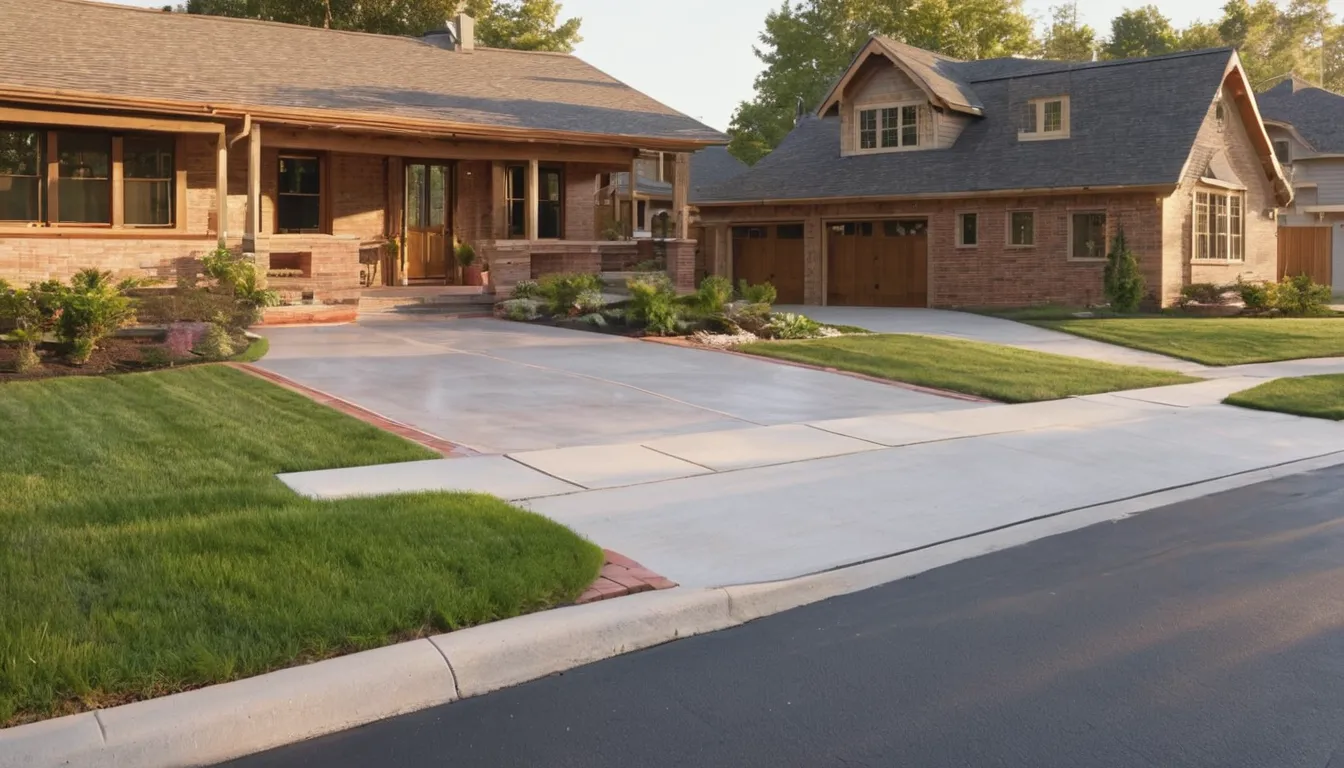
New Concrete Driveways Services Through Local Providers
Request an estimate today
A driveway is the part of your home that takes the most abuse. Cars press on it, salt eats at it, and frozen ground pushes it around all winter. When it breaks down past a simple patch, a new one is the sensible next step.
Medtroniic Concrete is a referral service. We do not pour concrete ourselves. We connect homeowners in the Crystal Lake area with independent local providers who handle concrete flatwork. This page explains how a new driveway project works, what a solid answer sounds like, and which warning signs to watch for. You send one request, compare written quotes, and choose with no obligation.
Is it time for a new driveway?
Think of an old pair of work boots. You can glue the sole a few times. At some point the boot is simply done. A driveway works the same way, and the hard part is knowing which stage yours is in.
If cracks keep coming back after patching, you are likely past the point where concrete driveway repair makes sense.
Signs a patch will not be enough
Some problems are small. Others tell you the slab underneath has given up. Look for these:
- Wide cracks where one side sits higher than the other
- Flaking or crumbling surface, often called scaling
- Sunken areas where water collects after rain
- Crumbling edges near the garage or street
- Many cracks spread over the whole slab, not just one
One thin hairline crack is common and usually harmless. A web of cracks is a different story.
Why the weather sets the clock
Water is sneaky. It seeps into small cracks, freezes, and expands, much like a bottle of water left in a freezer. In regions with deep frost, that cycle repeats all winter and turns a small crack into a big one.
Concrete also needs mild temperatures to cure well. Providers often book up in the warm months, so reaching out early gives you more choice.
Start with questions
Most people shop by price first. A calmer way is to ask before you pour. The answers tell you far more than a number on a page. The sections below walk through what to ask and what a good reply sounds like.
What a new driveway project includes
A complete job is more than pouring. It usually starts with tearing out the old slab and hauling it away. Next comes grading the ground and adding a compacted gravel base. Then forms are set, reinforcement goes in, and the concrete is poured and finished. Joints are cut so the slab can crack in neat, planned lines.
Think of baking a cake. The batter matters, but so does the pan and the oven. The base and forms are the pan.
Choosing size, thickness and finish
Size comes first. Measure how many cars you park and whether you need turning room. A wider spot near the door can save you from stepping into snow or mud.
Thickness matters for weight. Many residential driveways are poured around four inches, while heavier loads may call for more. Ask the provider why they picked their number.
Finish is the last choice. A light broom texture gives grip when wet or icy. Smooth finishes look sleek but can be slick. Coloring and borders are optional.
Permits and the street apron
The apron is the slice of driveway where your slab meets the street. It often belongs to the city, not you, so the rules are different. Many towns ask for a permit and set limits on width and thickness there.
A solid provider knows the local process. Ask who pulls the permit and who pays the fee. Good answers sound specific.
Questions to ask any concrete provider
Keep this short list on your phone:
- Are you licensed and insured where I live? Can I see proof?
- What base and thickness do you plan for my driveway?
- How will you handle frost, drainage and joints?
- Who will be on site, and who is responsible if something goes wrong?
- What does the written quote include and leave out?
Providers in our network are independent, so each one answers for themselves. Compare the replies side by side.
What a good answer sounds like
A strong answer is plain and detailed. You might hear, "We dig out about six inches, compact gravel, and cut joints every ten feet or so." That tells you they have a method.
A vague reply like "we do it the usual way" tells you very little. Keep asking until the picture is clear.
Red flags worth walking away from
Some warnings show up before any work begins:
- A price that arrives with no visit or measuring
- Pressure to sign today because of a "special" deal
- A request for most of the payment up front
- No written quote, or one with missing details
- No proof of insurance when you ask
- Skipping the base work to save time
A good provider does not mind slow, careful questions.
How to read a written quote
A quote is like a recipe card. It should list every step so you can compare two cards fairly. Look for demolition and haul-away, base material, thickness, reinforcement, finish, joints, permit handling and cleanup.
If one quote is much cheaper, check what it leaves out. Often that is the base work or the tear-out.
Water, slope and your foundation
A driveway should lean gently away from the house. If water runs toward the walls, it can wet the basement or stress the footing. That is common with full basements and sump pumps.
Ask the provider how they will set the slope. If you already see wall cracks or damp basement walls, foundation repair experts are a separate trade and should look at that first.
After the pour
Fresh concrete is like bread dough in the oven. It looks done before it is ready. Most providers ask you to keep cars off for about a week and heavy trucks off longer. Keep people and pets off the first day or two.
Avoid de-icing salt the first winter, since young concrete is more sensitive. A sealer, applied when the provider suggests, helps shed water and salt. Ask for care instructions in writing.
How to get started with less searching
You do not have to call ten companies. Send one request, and a provider in our network may reach out to talk through your project. You stay in charge, and there is no obligation to hire.
Request a callback to check provider availability if you would rather talk it through.
What's Included
Old Slab Tear-Out
Providers break up the worn concrete, haul it away, and clear the space for a fresh start.
Gravel Base Prep
The ground is graded and packed with gravel so the new slab sits on firm footing.
Forms and Pour
Wood forms set the shape, then concrete is placed, leveled, and finished with your chosen texture.
Joints and Cleanup
Cut joints guide cracking, and the site is cleaned so the finished driveway is ready to cure.
Typical New Driveway Price Ranges in the U.S.
Prices vary by size, soil, access and finish. These are rough U.S. ranges, so always get a written quote from the provider before you agree to anything.
| Item | Typical range | Notes |
|---|---|---|
| Standard poured driveway (per sq ft) | $6 – $12 | Plain broom finish, four-inch slab |
| Full two-car driveway | $4,000 – $9,000 | Depends on length, width and base |
| Old slab tear-out and haul-away | $1 – $3 per sq ft | Thicker or reinforced slabs cost more |
| Added gravel base work | $1 – $3 per sq ft | Soft or wet soil may need extra depth |
| Color or decorative border | $1 – $4 per sq ft | Adds to the base price |
| Permit and apron work | $100 – $1,000 | Varies by town and street rules |
How It Works
Send Your Request
Tell us about your driveway, its size, and what is wrong with the current one.
Connect With a Provider
An independent local provider in our network reaches out to talk through your project.
Compare Written Quotes
Review each quote line by line and ask your questions before you decide.
Choose and Schedule
Pick the provider you trust, confirm the details in writing, and set a start date.
Why Call Medtroniic Concrete
One Request, Many Options
Send a single request instead of searching for hours, and let independent providers respond with their own quotes.
Questions First
We explain what to ask and what a solid answer sounds like, so you feel ready.
Local Providers
Providers in our network work in your area and know frost, drainage, and local permit habits well.
No Obligation
Compare quotes at your own pace. You decide whether to hire anyone.
Other Services
Need concrete driveways services in Crystal Lake?
Tell us about your driveway or patio plan and request an estimate. An independent local provider can follow up with questions and a written quote.
No obligationConcrete Driveways Services FAQ
How long does a new concrete driveway last?
With a solid base and good drainage, a poured concrete driveway often lasts several decades. Freeze-thaw cycles, de-icing salt, and heavy loads can shorten that, so ask the provider how they plan for your climate.
Can I just repair my concrete driveway instead of replacing it?
Small cracks and minor surface wear can often be patched. Concrete driveway repair is less useful when the slab is sunken, heaved, or cracked all over. A provider can look at it and tell you which route makes sense.
How long before I can drive on a new concrete driveway?
Many providers ask you to keep cars off for about a week, and heavier vehicles for longer. Cure time depends on weather and the mix, so ask your provider for their exact timeline in writing.
Reach a local provider
Tell us about your driveway or patio plan and request an estimate. An independent local provider can follow up with questions and a written quote.
No obligation